
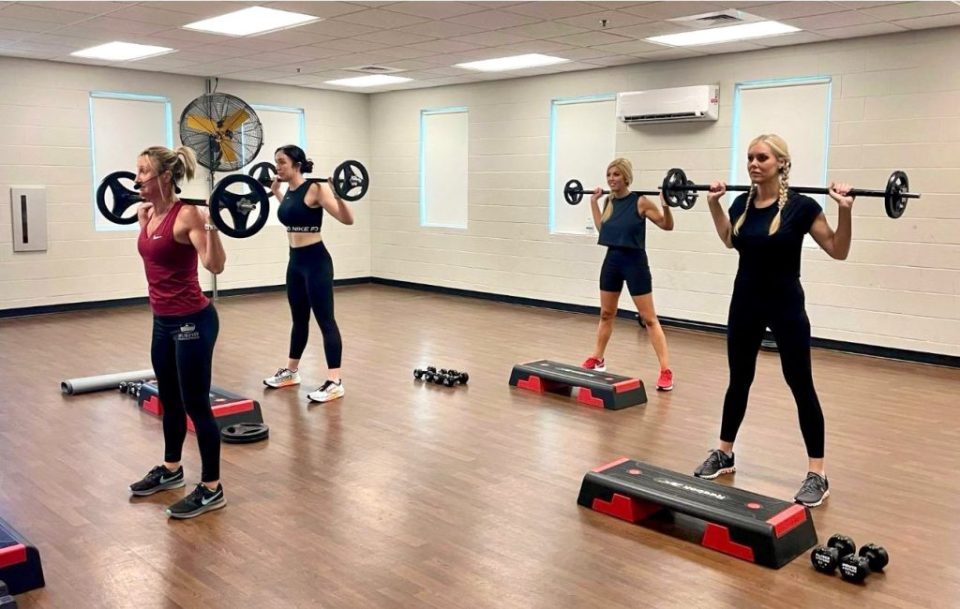
The decision to become a Les Mills licensed facility and offer bodypump class programming represents a strategic positioning investment for Singapore gym operators that carries implications extending well beyond the specific class format itself. BodyPump is the world’s most widely attended group fitness programme, and its presence on a Singapore gym’s timetable communicates a specific quality signal to prospective members that influences membership acquisition and competitive positioning in ways that unlicensed alternative formats cannot replicate.
The Brand Equity Transfer Mechanism
When a Singapore gym becomes a Les Mills licensed BodyPump provider, it participates in a brand equity transfer that works in both directions. The gym’s association with the globally recognised Les Mills brand lends credibility and quality signalling to the facility’s group fitness offering. The gym’s facility quality and member service standard simultaneously reflect on the Les Mills brand within the local market.
This mutual brand equity relationship creates a quality floor obligation for licensed Singapore operators: maintaining the instruction quality, facility standards, and member experience that the Les Mills brand association requires. Operators who treat the licensing as a marketing tool without investing in the underlying quality infrastructure undermine the brand equity transfer and eventually face the commercial consequences of the credibility gap that emerges between the brand promise and the delivered experience.
The Member Acquisition Effect of BodyPump Recognition
Singapore gym members who have previously attended BodyPump classes, whether at other Singapore facilities or at licensed gyms in other cities, represent a specific segment of prospective members who actively seek out facilities where the format is available. The global standardisation of BodyPump content means these prospective members know precisely what they are accessing when they join a licensed facility, removing the uncertainty about programming quality that unfamiliar formats present.
This recognition-driven acquisition effect provides licensed Singapore operators with a member acquisition advantage in the fitness-engaged market segment that is disproportionately valuable because this segment has demonstrated willingness to commit to gym membership and is more likely to become long-term retained members than members with lower prior exercise engagement.
True Fitness Singapore’s BodyPump licensing reflects a commitment to the programming quality standards and instructor certification infrastructure that the format’s member acquisition and retention value depends upon. True Fitness Singapore maintains the Les Mills partnership at the standard that preserves the brand equity benefit of the licensing relationship for both its members and its competitive positioning.
FAQs
Q. – How does BodyPump licensing cost affect Singapore gym membership pricing?
Ans. – Les Mills licensing costs are a fixed operating expense that is distributed across the membership base and absorbed into general membership pricing rather than charged as a direct class fee in most Singapore facilities. The licensing investment is justified commercially by its member acquisition and retention contributions rather than by direct per-class revenue recovery.
Q. – Can non-licensed Singapore gyms offer equivalent BodyPump-style programming under a different name?
Ans. – Non-licensed facilities can offer barbell group fitness classes using similar exercise structures, but cannot use Les Mills branding or access the quarterly release content, instructor certification system, or music licensing that define the BodyPump product. The quality and consistency of these independent alternatives vary considerably without the standardisation infrastructure that licensing provides.
Q. – Does the presence of BodyPump at a Singapore gym indicate overall facility quality?
Ans. – Licensing requires instructor certification and quality maintenance standards that create a quality floor, but the ceiling of overall facility quality varies widely among licensed operators. BodyPump’s presence is a positive quality signal that is most reliable as a minimum standard indicator rather than a comprehensive quality assessment.
Q. – How does BodyPump contribute to member retention beyond its function as a class format?
Ans. – BodyPump’s contribution to member retention operates through the community bonds formed among regular class participants, the instructor relationships that develop through consistent attendance, and the format familiarity that creates switching costs for members considering moving to non-licensed facilities. These relational and familiarity-based retention mechanisms operate alongside the physiological results that retain outcome-oriented members.
Q. – Are Singapore gym operators who invest in BodyPump licensing seeing positive commercial returns from the investment?
Ans. – Facilities that deliver BodyPump at genuine quality standards report positive retention and acquisition effects that justify the licensing investment. The commercial return is most clearly positive in facilities with strong instructor development programmes that ensure class delivery quality matches the brand promise, and most uncertain in facilities where licensing is treated as a marketing cost without corresponding investment in instruction quality.