
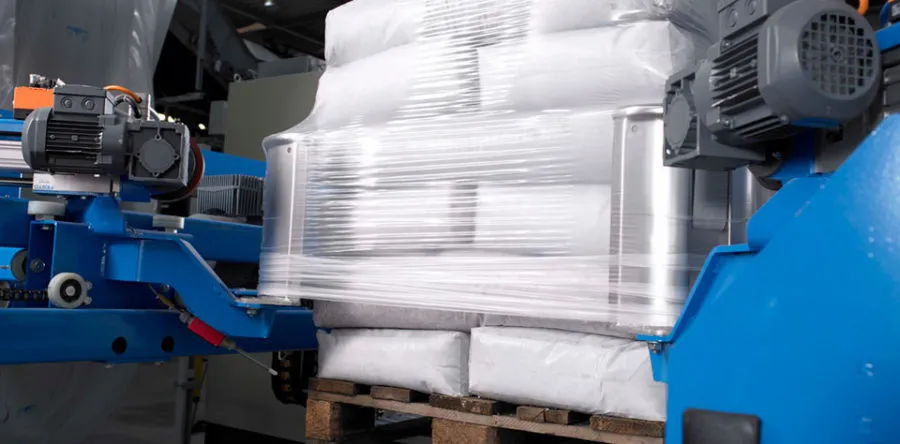
Reducing packaging waste has become a priority as businesses worldwide pursue sustainable practices. Efficient hood film use can play a vital role in curbing unnecessary material consumption, contributing to both environmental goals and cost reductions. By exploring how innovative techniques make this possible, companies can build more responsible supply chains, benefitting both their operations and the environment.
One key application of hood film is in securing and stabilizing goods during transport and storage. When used alongside industrial pallet wrap, hood films offer enhanced protection while minimizing excessive use of materials. However, the benefits go beyond mere containment; with the right strategies, hood films can significantly reduce the amount of packaging waste that ends up in landfills.
This post examines how adopting efficiency-driven methods for hood film usage can help achieve sustainable results globally, without compromising on performance or productivity.
Why Packaging Waste Reduction Matters
Packaging waste has a far-reaching impact on the planet, with plastic materials being among the most prominent pollutants. Every day, businesses generate large amounts of packaging waste, much of which fails to be reused or recycled. This waste often ends up contributing to environmental damage through pollution and overflowing landfills — serious global challenges that need attention.
To address these concerns, shifting towards durable, reusable, or minimal-use packaging has become essential. Hood films, when applied effectively, can minimize waste by reducing the reliance on over-layering while still maintaining the critical properties needed to protect goods.
The use of thinner yet stronger materials in the manufacture of modern hood films also means businesses can meet international packaging standards without contributing to excess single-use plastics. It’s about finding ways to do more with less — an approach benefiting both the environment and operational budgets.
Optimizing Hood Film Application Techniques
Achieving efficiency in hood film use starts with optimizing application methods. By using automated equipment calibrated for consistent wrapping or covering, businesses can avoid material wastage caused by manual application. Automation ensures uniformity, applying just the right amount of film required for a secure hold.
Additionally, incorporating multi-layer films with advanced material engineering allows businesses to maximize durability while reducing film thickness. Such innovations not only trim down packaging waste but also lower freight costs by decreasing the overall weight of loaded pallets.
Another avenue is assessing film dimensions to suit specific needs. Tailoring sizes to match product configurations prevents unnecessary excess, which directly contributes to waste reduction. Data-driven solutions like load stability analysis can dictate the amount and type of hood film needed, further eliminating redundant material use.
Benefits for Global Supply Chains
The efficiency-driven use of hood films has benefits that extend beyond individual companies. Globally, businesses can collectively cut the carbon footprint associated with the production, transportation, and disposal of excess packaging materials. This shift is increasingly critical as countries implement stricter environmental regulations and push for a circular economy.
Efficient hood film use also supports international trade by ensuring compliance with waste minimization directives in regions like Europe and Asia, where sustainability has become a regulatory priority. Adopting waste-reducing practices proactively helps organizations avoid costly penalties while gaining recognition as responsible global partners.
Bringing Sustainability into Focus
For businesses looking to make a tangible impact, focusing on effective hood film use is a practical step towards a greener future. Companies can minimize waste, meet international compliance requirements, and reduce costs, all while maintaining solid protection for shipped goods. Small adjustments, such as using automated wrapping systems or advanced multi-layer films, provide measurable results over time.
By integrating these methods, businesses can turn packaging waste reduction into an achievable and impactful goal, contributing to a more sustainable global economy.